




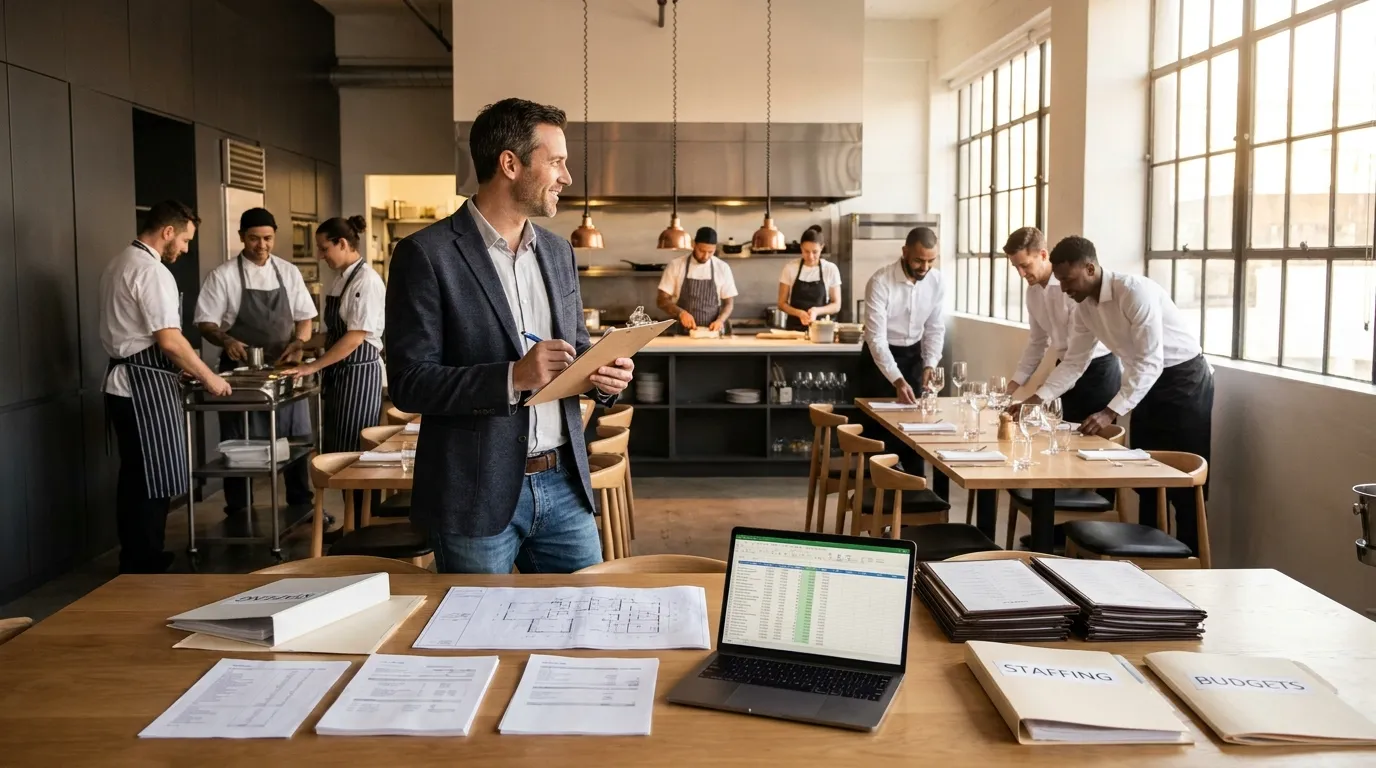
Opening a restaurant is one of the most exciting milestones for any entrepreneur. Months—or even years—of planning finally come together as your dream begins to take shape. From choosing the perfect location and designing the dining room to selecting equipment and creating a menu, there’s no shortage of decisions to make.
However, many restaurant owners become so focused on the visible aspects of opening that they overlook the systems and planning that determine long-term success. A beautiful restaurant, an impressive kitchen, and a great menu mean very little if the business lacks a solid operational foundation.
The truth is that most restaurant failures aren’t caused by bad food or poor intentions. They happen because important planning steps were missed before the doors ever opened.
Successful restaurant owners understand that opening day isn’t the finish line—it’s the starting point. The more prepared you are before welcoming your first guest, the smoother your operations, stronger your team, and healthier your profits will be.
This checklist highlights the critical areas that restaurant owners often forget before opening and explains why each one deserves careful attention.
Why Planning Matters More Than Opening Fast
Many entrepreneurs feel pressure to open as quickly as possible.
Construction deadlines, lease payments, and financial commitments create urgency.
As a result, owners often rush the final stages of preparation.
Unfortunately, every shortcut taken before opening usually becomes a larger problem afterward.
Opening a restaurant without proper planning often leads to:
- Operational confusion
- Poor customer experiences
- Staff frustration
- Unexpected costs
- Slow service
- Cash flow problems
Taking extra time to prepare thoroughly is almost always less expensive than correcting mistakes after opening.
1. Define Your Concept Clearly
Every successful restaurant begins with a clear concept.
Many owners believe a concept simply means deciding what type of food to serve.
In reality, your concept defines the entire customer experience.
It answers important questions such as:
- Who is your target customer?
- What problem are you solving?
- What makes your restaurant different?
- What dining experience will guests remember?
- Why should customers choose you instead of competitors?
A strong concept influences every business decision, including:
- Interior design
- Menu development
- Pricing
- Marketing
- Staff uniforms
- Service style
- Branding
Without a clear concept, restaurants often send mixed messages that confuse customers and weaken the brand.
2. Build a Realistic Budget
One of the biggest mistakes restaurant owners make is underestimating the true cost of opening.
Many budgets focus only on obvious expenses such as:
- Construction
- Kitchen equipment
- Furniture
- Décor
However, successful budgeting should also include:
- Licenses and permits
- Initial inventory
- POS systems
- Staff recruitment
- Marketing
- Utility deposits
- Professional services
- Insurance
- Cleaning supplies
- Technology
- Emergency funds
Most importantly, owners should maintain sufficient working capital for the first several months of operation.
Even busy restaurants often require time before reaching consistent profitability.
Running out of cash is one of the most common reasons new restaurants struggle.
3. Create a Detailed Timeline
Opening a restaurant involves dozens of moving parts.
Without a clear timeline, delays quickly affect other areas of the project.
Your opening schedule should include milestones for:
- Lease signing
- Construction
- Equipment installation
- Licensing approvals
- Supplier setup
- Staff hiring
- Menu testing
- Training
- Marketing
- Soft opening
- Grand opening
Each task should have a realistic completion date.
Building extra time into the schedule helps accommodate unexpected delays without creating unnecessary stress.
4. Plan Your Operations Before You Serve Your First Guest
Many restaurant owners spend months designing their dining room but only days planning how the restaurant will actually operate.
Operations determine how efficiently your business functions every day.
Before opening, establish procedures for:
- Opening and closing
- Food preparation
- Receiving deliveries
- Inventory management
- Cleaning schedules
- Food safety
- Cash handling
- Customer complaints
- Reservation management
- Delivery orders
Clear operating procedures reduce confusion and improve consistency from day one.
Design Workflow, Not Just Spaces
Restaurant layout should support operational efficiency.
Consider how people move throughout the building.
This includes:
- Guests
- Servers
- Chefs
- Managers
- Delivery drivers
- Cleaning staff
Efficient workflows reduce unnecessary movement, improve communication, and speed up service.
Beautiful design should always support practical operations.
5. Hire the Right Staff Not Just Enough Staff
Staffing involves much more than filling job positions.
Your opening team establishes the culture of your restaurant.
Hire employees who align with your service standards and values.
Typical positions include:
- Restaurant manager
- Executive chef
- Line cooks
- Prep cooks
- Servers
- Hosts
- Bartenders
- Cashiers
- Dishwashers
- Cleaning staff
Avoid hiring too many employees too early.
At the same time, avoid opening with insufficient staff simply to reduce payroll expenses.
Finding the right balance is essential.
Invest in Training
Even experienced employees require training.
Every restaurant operates differently.
Training should cover:
- Menu knowledge
- Service standards
- POS systems
- Food safety
- Customer service
- Communication
- Emergency procedures
- Cleaning standards
Well-trained employees create consistent guest experiences and reduce costly mistakes.
6. Build Systems Before You Need Them
One of the biggest differences between successful restaurants and struggling ones is the quality of their systems.
A system is simply a repeatable process for completing a task.
Examples include:
- Inventory control
- Ordering procedures
- Recipe standardization
- Quality control
- Staff scheduling
- Shift handovers
- Customer feedback
- Maintenance reporting
Without systems, restaurants rely on memory and individual judgment.
That approach quickly becomes unsustainable as the business grows.
Good systems improve efficiency while reducing dependence on any one employee.
Standard Operating Procedures Save Time
Every restaurant should document its Standard Operating Procedures (SOPs).
These written procedures help ensure consistency regardless of who is working.
Examples include:
- Opening checklists
- Closing checklists
- Cleaning procedures
- Food storage standards
- Guest complaint handling
- Equipment maintenance
Documented systems make staff training faster and daily operations smoother.
Don’t Forget Supplier Relationships
Your suppliers are long-term business partners.
Before opening, establish relationships with reliable vendors for:
- Fresh produce
- Meat and seafood
- Dry goods
- Beverages
- Packaging
- Cleaning products
- Uniforms
Always have backup suppliers available in case of shortages or unexpected disruptions.
Strong supplier relationships improve reliability and often create better purchasing opportunities.
Test Your Menu Before Opening
Many restaurants launch menus that have never been fully tested.
Before opening, evaluate every dish for:
- Taste
- Presentation
- Portion size
- Preparation time
- Food cost
- Profitability
- Kitchen workflow
A successful menu balances customer satisfaction with operational efficiency.
Removing weak dishes before opening is far easier than making constant changes after launch.
Prepare Your Technology
Technology plays an important role in modern restaurant operations.
Before opening, ensure systems are properly configured and tested.
This includes:
- POS systems
- Online ordering
- Payment terminals
- Kitchen display systems
- Reservation software
- Wi-Fi
- Security cameras
- Inventory software
Technology failures during opening week can significantly impact guest experiences.
Testing every system beforehand reduces unnecessary risk.
Plan Your Marketing Before Opening Day
Many owners begin marketing after opening.
By then, valuable opportunities have already been missed.
Pre-opening marketing builds anticipation.
Consider:
- Social media campaigns
- Behind-the-scenes updates
- Local partnerships
- Email sign-ups
- Community engagement
- Soft opening invitations
Building excitement before launch increases awareness and encourages stronger opening-week traffic.
Conduct a Soft Opening
A soft opening allows your team to practice under real operating conditions before serving the general public.
Invite:
- Friends
- Family
- Local businesses
- Community leaders
Treat the event as a rehearsal rather than a celebration.
Observe:
- Kitchen timing
- Staff communication
- Food quality
- Customer feedback
- Service flow
Identify problems early and correct them before your official opening.
Prepare for the Unexpected
No restaurant opening goes exactly as planned.
Develop contingency plans for situations such as:
- Equipment failure
- Staff absences
- Supplier delays
- Utility interruptions
- Technology issues
- Higher-than-expected customer traffic
Prepared managers respond confidently while maintaining guest satisfaction.
Common Things Restaurant Owners Forget
Before opening, double-check that you have considered:
- Emergency cash reserves
- Insurance coverage
- Recipe standardization
- Food cost calculations
- Staff training manuals
- Inventory procedures
- Cleaning schedules
- Maintenance plans
- Customer complaint procedures
- Marketing strategy
- Supplier backup plans
- Performance tracking systems
These details may seem small individually, but together they form the operational backbone of your restaurant.
Final Thoughts
Opening a restaurant is about much more than unlocking the front door and serving your first meal. The businesses that succeed over the long term are the ones that invest just as much effort into planning their operations as they do into designing their dining rooms and creating their menus.
A clear concept gives your restaurant direction. A realistic budget protects your financial stability. A detailed timeline keeps your project on track. Well-planned operations ensure consistency, efficient service, and smoother daily management. Hiring and training the right staff creates the culture your guests will experience, while reliable systems allow your restaurant to operate efficiently and grow with confidence.
Many of the most expensive mistakes in the restaurant industry happen before opening day—not because owners lack passion, but because critical planning steps are overlooked. By taking the time to prepare thoroughly, document procedures, test your menu, train your team, and establish strong operational foundations, you dramatically increase your chances of opening with confidence and building a profitable business that stands the test of time.
A successful restaurant doesn’t happen by accident. It is the result of careful preparation, disciplined execution, and a commitment to getting the fundamentals right before the first guest walks through the door