




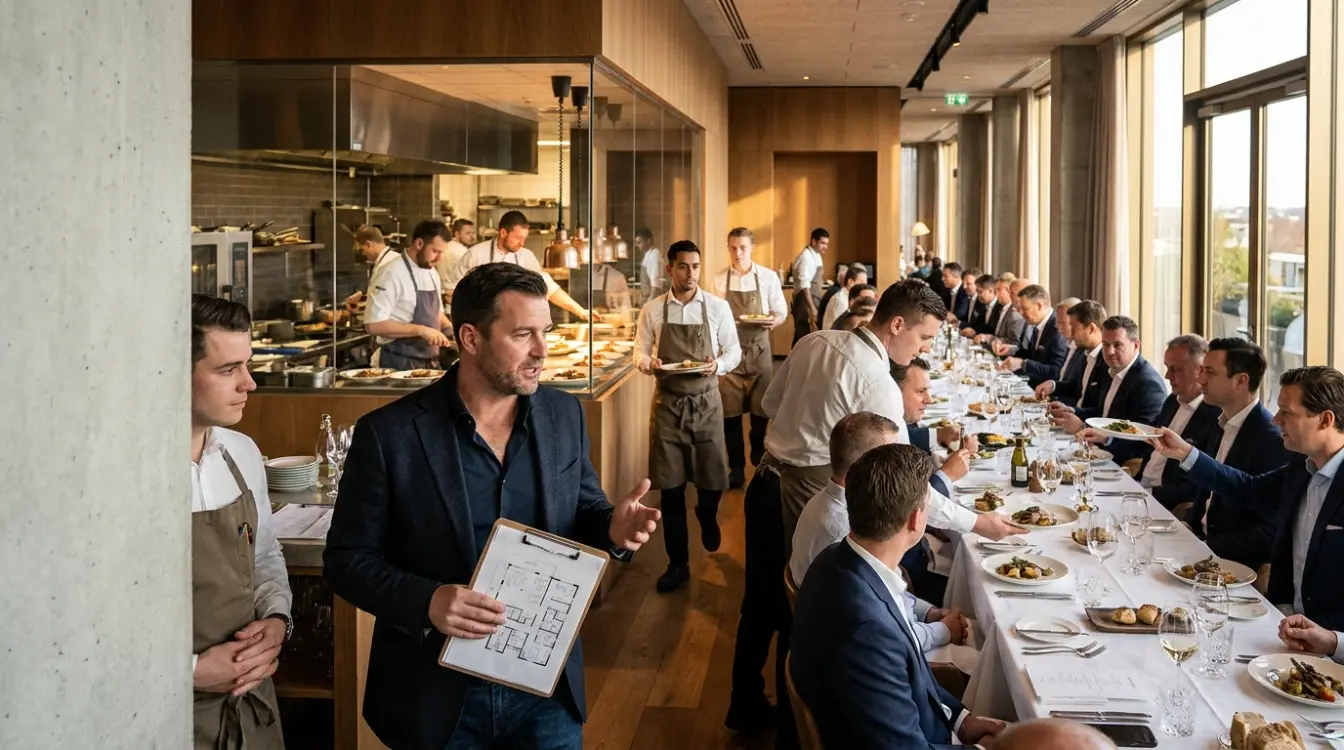
Managing a restaurant on a busy day is already a challenge. Add a large party reservation of 15, 30, or even 100 guests, and the complexity increases dramatically. Large groups bring tremendous revenue opportunities, but they also introduce operational challenges that can affect every guest in your restaurant if they aren’t handled properly.
Whether you’re hosting a corporate dinner, birthday celebration, wedding reception, family gathering, or business event, successful large party service depends on preparation—not improvisation.
Many restaurants lose repeat business from large groups because of avoidable mistakes such as delayed food, poor communication, incorrect orders, understaffing, or unrealistic guest expectations. On the other hand, restaurants that consistently deliver exceptional large-party experiences often benefit from repeat bookings, referrals, positive online reviews, and increased revenue.
A well-organized service plan ensures that the kitchen, front-of-house team, managers, and guests all work from the same expectations. It creates smoother operations, reduces stress during service, and allows your staff to deliver hospitality rather than simply reacting to problems.
This checklist covers the essential areas every restaurant manager should review before serving a large party.
Why Large Party Planning Matters
Large reservations affect almost every department in your restaurant.
One poorly planned event can create:
- Long kitchen ticket times
- Delayed service for other guests
- Food quality issues
- Confused staff
- Inventory shortages
- Guest complaints
- Reduced table turnover
By contrast, proper planning allows managers to anticipate challenges before they occur. Instead of constantly solving problems during service, the team can focus on creating an enjoyable dining experience.
Successful restaurants treat large events like carefully managed projects rather than ordinary reservations.
1. Clear Communication: The Foundation of Every Successful Event
Communication is the single most important factor in managing a large party.
Every department should understand exactly what is happening before the guests arrive.
Restaurant managers should confirm important details such as:
- Event date and time
- Number of guests
- Occasion
- Seating arrangement
- Special requests
- Dietary restrictions
- Allergies
- Payment method
- Arrival schedule
- Contact person
Even small misunderstandings can create major operational problems.
For example, if the reservation is booked for 30 guests but 45 arrive unexpectedly, both the dining room and kitchen may struggle to accommodate the increase.
Communication should also continue internally.
Managers should brief:
- Kitchen staff
- Servers
- Hosts
- Bartenders
- Cashiers
- Supervisors
Everyone should know exactly what to expect before service begins.
Create an Event Sheet
One of the best practices is creating an event sheet for every large reservation.
This document should include:
- Reservation details
- Guest count
- Menu selections
- Seating diagram
- Service timeline
- Staff assignments
- Contact information
- Payment arrangements
- Special instructions
Providing this information to every department minimizes confusion during service.
2. Use Pre-Set Menus Whenever Possible
Large parties should rarely order entirely from the regular menu.
Allowing dozens of guests to order individual dishes at the same time places enormous pressure on the kitchen.
Instead, encourage pre-selected menus.
Pre-set menus offer several advantages.
Faster Kitchen Production
Preparing a limited number of dishes allows chefs to work more efficiently.
Instead of producing twenty-five different meals simultaneously, the kitchen focuses on a manageable selection.
This improves consistency and reduces ticket times.
Better Inventory Planning
Knowing menu selections in advance allows purchasing teams to prepare accurate ingredient quantities.
This reduces:
- Food waste
- Emergency supplier purchases
- Stock shortages
Better planning also protects food quality.
Improved Guest Experience
Guests spend less time deciding what to eat and more time enjoying the event.
Meals arrive together, conversations continue uninterrupted, and the overall experience feels more organized.
Offer Tiered Packages
Instead of unlimited choices, consider offering packages such as:
- Standard Menu
- Premium Menu
- Executive Menu
Each package can include:
- Appetizer
- Main course
- Dessert
- Beverage
This simplifies ordering while giving guests flexibility.
3. Timing and Pacing: Serve the Event, Not Just the Food
Large-party service isn’t simply about getting food to the table.
It’s about controlling the pace of the entire dining experience.
Guests should never feel rushed.
They also shouldn’t experience long gaps between courses.
Restaurant managers should establish a clear timeline for:
- Guest arrival
- Drinks
- Appetizers
- Main courses
- Dessert
- Coffee
- Final billing
Good pacing keeps guests engaged while preventing the kitchen from becoming overwhelmed.
Coordinate with the Event Host
Different occasions require different service speeds.
A business dinner may need quick service due to limited time.
A birthday celebration may benefit from slower pacing to encourage conversation.
Wedding receptions often follow scheduled speeches and entertainment.
Discuss timing expectations with the event organizer before service begins.
Avoid Serving Too Early
Serving food before all guests arrive can create frustration.
Whenever possible, confirm that the majority of guests have arrived before beginning meal service.
Proper pacing contributes significantly to guest satisfaction.
4. Kitchen Coordination: Keep the Heart of the Restaurant Organized
The kitchen is where large-party success is won or lost.
Managers should work closely with the executive chef or kitchen supervisor well before the event.
Preparation includes:
- Reviewing menu selections
- Confirming ingredient availability
- Completing prep work
- Organizing stations
- Assigning responsibilities
- Preparing serving equipment
Good coordination prevents unnecessary delays.
Schedule Prep Work Early
Large parties often require significant preparation.
Whenever possible:
- Prepare sauces in advance.
- Portion proteins.
- Wash and cut vegetables.
- Prepare desserts.
- Label ingredients clearly.
Completing prep work before service reduces stress during peak hours.
Fire Courses Strategically
Sending every course to the kitchen at once creates bottlenecks.
Instead, managers should coordinate with chefs to release courses based on the planned service timeline.
This ensures food remains fresh while maintaining consistent quality.
5. Staff Assignment: Put the Right People in the Right Roles
Large events require teamwork.
Assigning responsibilities in advance prevents confusion during service.
Instead of expecting everyone to “help wherever needed,” define specific roles.
Examples include:
- Lead server
- Assistant servers
- Beverage runner
- Food runners
- Event supervisor
- Kitchen coordinator
- Host
- Cashier
Clear responsibilities improve accountability.
Match Experience to Responsibility
Large events should be handled by experienced staff whenever possible.
New employees can certainly assist, but leadership positions should be filled by team members who remain calm under pressure and communicate effectively.
Strong leadership creates confidence throughout the team.
Conduct a Pre-Service Briefing
Before guests arrive, gather the entire team.
Review:
- Event timeline
- Menu
- Allergies
- VIP guests
- Service sequence
- Table assignments
- Emergency procedures
A five-minute briefing often prevents hours of confusion.
6. Manage Guest Expectations from the Beginning
Many service issues occur because expectations were never clearly communicated.
Restaurant managers should explain:
- Menu options
- Service timeline
- Course sequence
- Beverage service
- Payment process
- Cake policies
- Decoration policies
- Audio or presentation arrangements
When guests know what to expect, they are generally more understanding if minor delays occur.
Transparency builds trust.
Handle Special Requests Early
Encourage guests to communicate special requests before the event.
Examples include:
- Vegetarian meals
- Vegan options
- Gluten-free dishes
- Children’s meals
- Wheelchair access
- Birthday cakes
- Audio equipment
Last-minute requests often disrupt both service and kitchen operations.
Prepare for the Unexpected
Even the best-planned events can face unexpected challenges.
Restaurant managers should have contingency plans for situations such as:
- Additional guests arriving
- Supplier delays
- Equipment failures
- Power interruptions
- Staff absences
- Kitchen delays
- Weather-related issues
Prepared managers respond quickly without creating panic among staff or guests.
Monitor Service Throughout the Event
Planning doesn’t end once guests arrive.
Managers should remain visible throughout the event.
Walk the dining room regularly and observe:
- Guest satisfaction
- Food quality
- Service speed
- Beverage levels
- Table cleanliness
- Staff communication
Addressing small issues immediately prevents larger problems later.
A proactive manager creates a smoother experience for both guests and employees.
Conduct a Post-Event Review
Every large event offers valuable learning opportunities.
After service, gather feedback from your team.
Discuss:
- What worked well?
- Where were delays?
- Were staffing levels appropriate?
- Did the kitchen meet expected timing?
- Were guest requests handled efficiently?
- Were there inventory shortages?
Document these findings to improve future events.
Continuous improvement is one of the hallmarks of successful restaurant management.
Common Mistakes to Avoid
Even experienced restaurant managers can make avoidable errors when handling large parties.
Watch out for these common pitfalls:
- Accepting bookings without confirming guest numbers
- Allowing unrestricted menu ordering for very large groups
- Understaffing the event
- Failing to brief the kitchen
- Ignoring dietary restrictions
- Delaying communication with the event organizer
- Serving courses without proper pacing
- Waiting until problems arise before taking action
Avoiding these mistakes significantly increases the chances of a successful event.
Final Thoughts
Large party service is one of the greatest opportunities for restaurants to generate revenue, strengthen customer relationships, and showcase exceptional hospitality. However, these events also place additional demands on your team, making careful planning and coordination essential.
By focusing on clear communication, offering pre-set menus, managing timing and pacing, ensuring effective kitchen coordination, assigning the right staff to the right roles, and setting realistic guest expectations, restaurant managers can transform potentially stressful events into memorable dining experiences.
The most successful managers understand that large-party service is not about reacting to challenges as they happen—it’s about preventing those challenges through preparation. Every event should begin with a detailed plan, clear responsibilities, and open communication between the front of house, kitchen, and the event organizer.
When these fundamentals are consistently applied, your restaurant becomes known not only for excellent food but also for reliable, professional event execution. That reputation leads to repeat bookings, stronger word-of-mouth referrals, improved staff confidence, and increased profitability—making large-party service a true competitive advantage rather than an operational headache.